
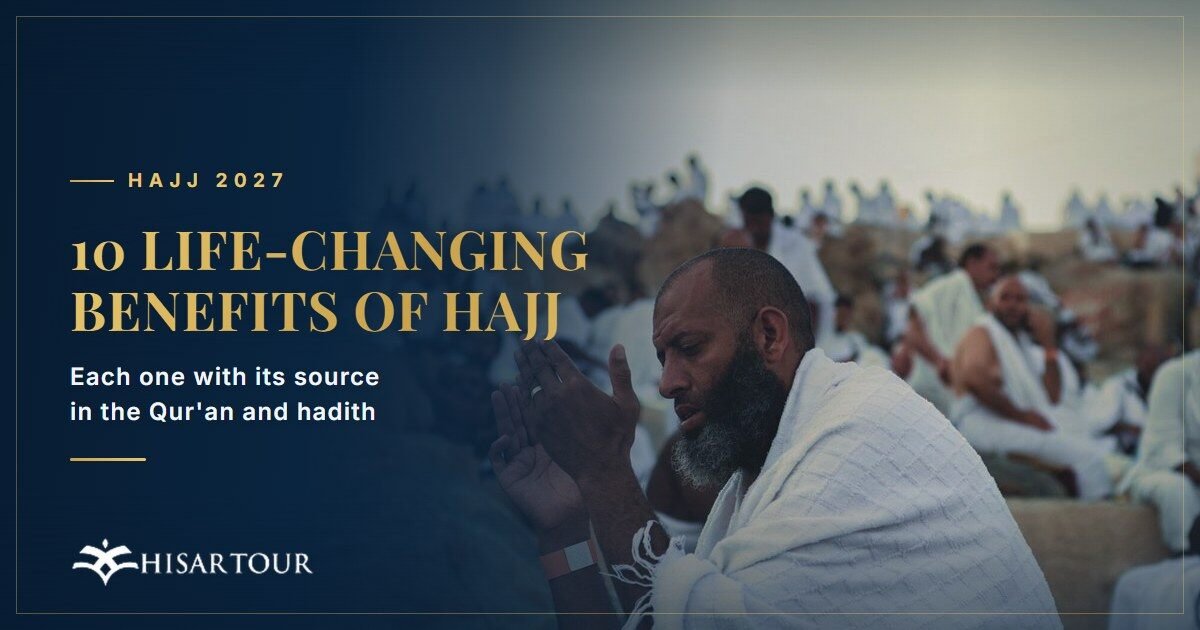
Hajj completes a pillar of Islam, promises forgiveness to the sincere pilgrim, and leaves lasting marks of equality, patience and unity.
The Qur’an itself speaks of Hajj as a place where pilgrims “may witness benefits for themselves” (Qur’an 22:28). Here are ten of those benefits, spiritual, personal and communal, each tied to the verse or hadith it rests on, with the collection and number so you can read the source yourself.
Planning Hajj 2027 from the USA & Canada? The practical side, registration on Nusuk and the packages for 2027, is on our Hajj 2027 page. This article is about the other side: why Muslims make this journey at all, and what it can change in a person. The benefits below are drawn from the Qur’an and authentic hadith, with images of core rites like Tawaf, Arafat, Sa’i and the Haram.
1) Fulfillment of a Pillar of Islam
Hajj is one of the five pillars of Islam and an obligation for those physically and financially able. The Prophet ﷺ said that Islam is based on five principles, and listed “To perform Hajj” among them (Sahih al-Bukhari 8). The Qur’an makes the condition of ability explicit: pilgrimage to the House is due to Allah “for whoever is able to find thereto a way” (Qur’an 3:97). Performing Hajj completes core religious duties and deepens obedience to Allah.
Whether you are “able” this year, given your health, your debts and the needs of your family, is a question scholars discuss in detail, and one to put to your imam rather than to a travel company.
2) Forgiveness of Sins
The Prophet ﷺ said a sincere Hajj returns a person like a newborn: “Whoever performs Hajj for Allah’s pleasure and does not have sexual relations with his wife, and does not do evil or sins then he will return (after Hajj free from all sins) as if he were born anew” (Sahih al-Bukhari 1521; see also Sahih Muslim 1350). He also said that “the reward of Hajj Mabrur (the one accepted by Allah) is nothing except Paradise” (Sahih al-Bukhari 1773; Sahih Muslim 1349).
Standing on Arafat is at the center of this. “There is no day when God sets free more servants from Hell than the Day of ‘Arafa” (Sahih Muslim 1348). The hadith attach conditions, sincerity and avoiding obscenity and wrongdoing, and scholars explain what this forgiveness covers, including debts and rights owed to other people. It offers a clean slate, divine mercy and renewed commitment for the path ahead; ask a scholar how it applies to you.
3) Strengthening of Faith (Iman)
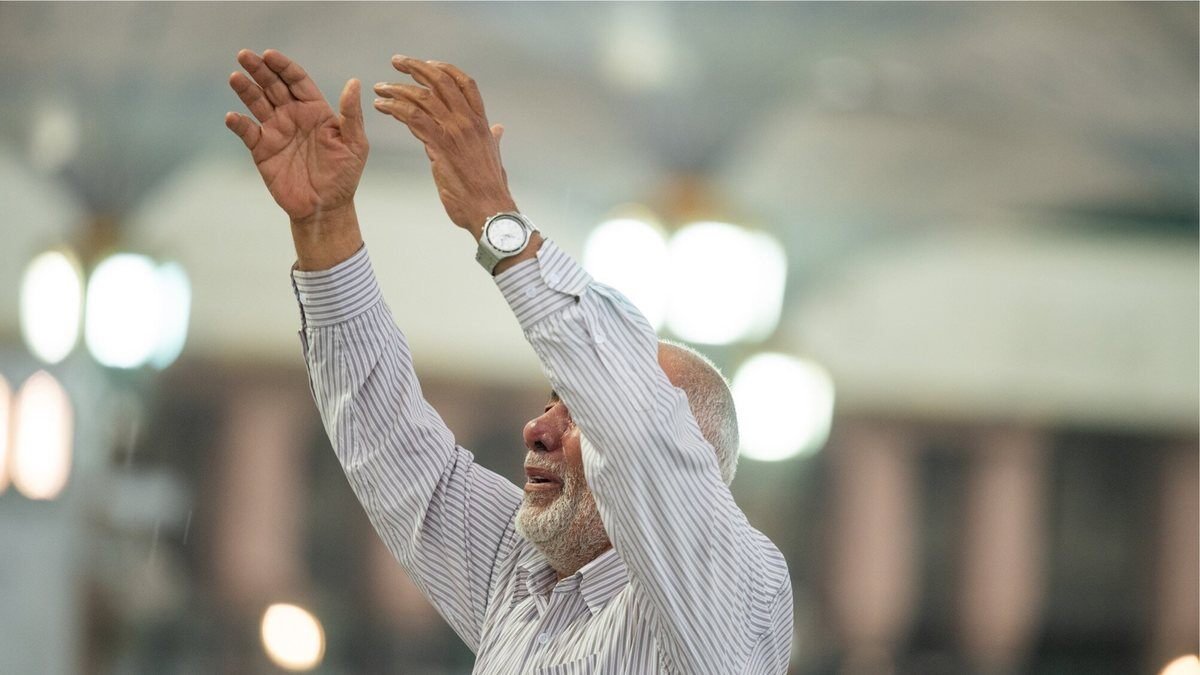
Tawaf, Sa’i and standing on Arafat awaken the heart. Hajj increases taqwa, clarifies purpose, and strengthens iman through intense remembrance, prayer and surrender to Allah’s guidance. The verse that sets out the conduct of Hajj ends on this point: “And take provisions, but indeed, the best provision is fear of Allah” (Qur’an 2:197).
The Prophet ﷺ ranked Hajj among the best deeds. Asked which deed is best, he named belief in Allah and His Messenger, then jihad in Allah’s cause, then “To perform Hajj-Mabrur” (Sahih al-Bukhari 1519).
4) Equality and Brotherhood
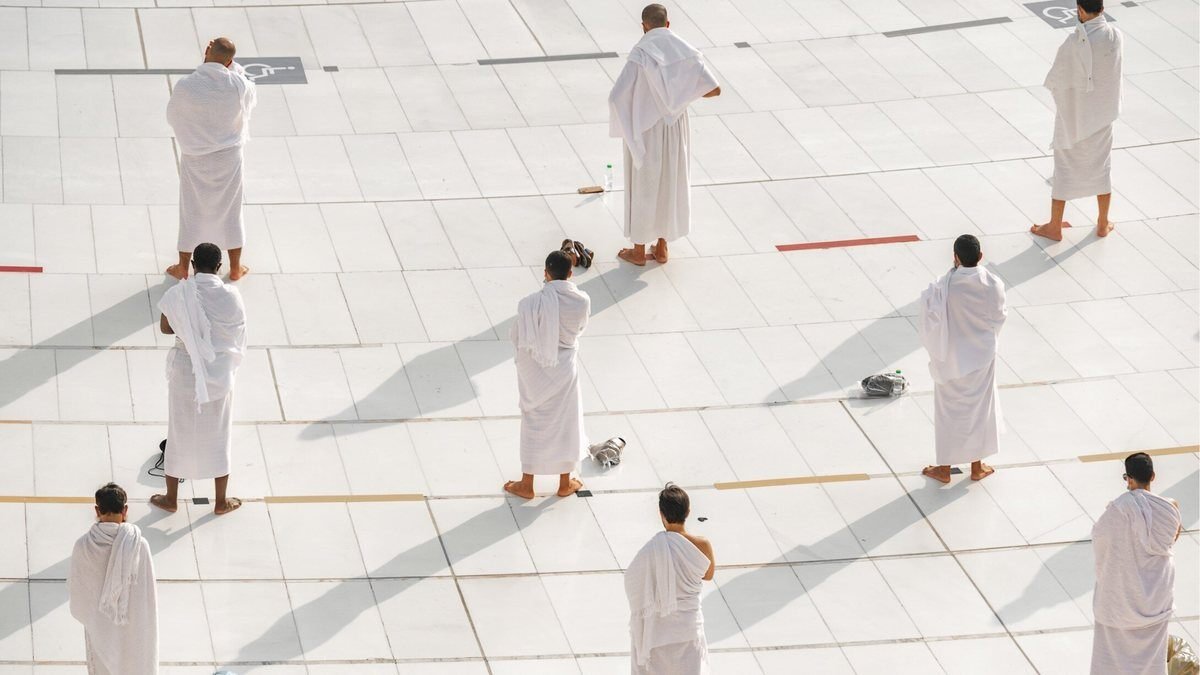
In ihram, status fades. Hajj removes visible distinctions of wealth, race and nationality: every man wears the same two plain white cloths, and everyone performs the same rites in the same places. It shows that all believers stand equal before Allah and strengthens compassion across the global ummah. The Qur’an states the measure that counts: “Indeed, the most noble of you in the sight of Allah is the most righteous of you” (Qur’an 49:13).
5) Reminder of the Hereafter
The white ihram cloths resemble the plain shroud, the vast gathering at Arafat brings to mind the gathering of all people on the Day of Judgment, and the Hajj crowds recall accountability before Allah. These are reflections rather than rulings, but the Qur’an draws the same line in its verses on the days of Hajj: “And fear Allah and know that unto Him you will be gathered” (Qur’an 2:203). These scenes soften the heart and focus the soul on the eternal life to come.
6) Reviving the Legacy of the Prophets
From Sa’i recalling Hajar’s struggle to the rites that echo Ibrahim (AS) and the Sunnah of the Prophet ﷺ, Hajj lets pilgrims retrace prophetic footsteps and anchor themselves in Islamic heritage.
- The Kaaba was raised by Ibrahim and Ismail, who prayed, “Our Lord, accept [this] from us” (Qur’an 2:127). Pilgrims pray behind the standing place of Ibrahim (Qur’an 2:125).
- Sa’i between Safa and Marwah follows Hajar, who ran between the two hills seven times searching for water for her son. The Prophet ﷺ said, “This is the source of the tradition of the walking of people between them” (Sahih al-Bukhari 3364). The Qur’an calls Safa and Marwah “among the symbols of Allah” (Qur’an 2:158).
- The rites themselves are performed the way the Prophet ﷺ performed them. At the Jamarat he said: “Learn your rituals (by seeing me performing them), for I do not know whether I would be performing Hajj after this Hajj of mine” (Sahih Muslim 1297).
7) Spiritual Renewal
Hajj polishes the heart from arrogance, envy and heedlessness. Through prayer, tawbah and sacrifice, pilgrims return home with calm and gratitude, and with habits that can change daily life. The image of polishing comes from the Prophet ﷺ himself, who told believers to follow Hajj and Umrah one after the other, “for those two remove poverty and sins just as the bellows removes filth from iron, gold, and silver” (Jami’ at-Tirmidhi 810, graded hasan on sunnah.com; similar wording in Sunan an-Nasa’i 2631).
The sacrifice teaches the same lesson from another side: “Their meat will not reach Allah, nor will their blood, but what reaches Him is piety from you” (Qur’an 22:37).
8) Patience and Discipline, and the Lesson of Mina
Heat, crowds and long rites build sabr and self-control. The Qur’an sets the discipline of Hajj in one line: for the pilgrim “there is [to be for him] no sexual relations and no disobedience and no disputing during hajj” (Qur’an 2:197). Enduring for Allah, pilgrims develop resilience, humility and disciplined worship habits that carry into all areas of life.
Mina and the tent city: a test of community and endurance
Staying in Mina’s tent city is a deep lesson in patience, endurance and communal living. Pilgrims from every country share tents, washrooms and walkways, which teaches humility, gratitude and a reliance on Allah’s provision. This experience reinforces the reality that we are all travelers in this world, united in our journey to Allah.
That endurance is physical as well as spiritual. The walks between camp and the Jamarat are measured in kilometers, so our same-week guide to physical preparation for Hajj sets out a 90-day plan to arrive ready for them.
9) Blessings for Family and Community
Hajj’s benefits extend beyond the pilgrim. Families and communities gain from the pilgrim’s duas, shared knowledge and inspiration. The Prophet ﷺ said: “The pilgrims performing Hajj and ‘Umrah are a delegation to Allah. If they call upon Him, He will answer them; and if they ask for His forgiveness, He will forgive them” (Sunan Ibn Majah 2892, graded hasan on sunnah.com). Families often ask a departing pilgrim to remember them in their duas for this reason.
Returning hajis often become role models who spread faith and guidance. What a pilgrim brings home is less the title than the habits: prayer on time, patience in a crowd, and generosity learned in Mina.
10) Global Muslim Unity
Hajj gathers Muslims from many countries at the same places on the same days. It unites people beyond culture and language as one ummah bound by tawhid and worship. The Qur’an foretold it in the call given to Ibrahim: “And proclaim to the people the hajj; they will come to you on foot and on every lean camel; they will come from every distant pass” (Qur’an 22:27).
At Mina during his Farewell Hajj, the Prophet ﷺ told that gathering what it owes each other: “Your blood, your properties, and your honor are sacred to one another like the sanctity of this day of yours” (Sahih al-Bukhari 1739). It is a powerful vision of Islamic brotherhood.
Planning Hajj 2027 From the USA or Canada
Hajj 2027 is expected in mid-May, with the Day of Arafah expected around 15 May 2027 on the Umm al-Qura calendar, subject to the moon sighting. As of 21 November 2026 the Nusuk Hajj platform was still showing the 1447 season, and packages and prices for 2027 had not been published. If you are preparing now, three same-week guides cover the practical side: how to choose your Nusuk Hajj package, how to save for Hajj, and the physical preparation plan above. For the spiritual side, our guide to spiritual preparation for Hajj and Umrah and the virtues of Hajj and Umrah continue where this page stops.
Planning Hajj 2027 from the USA or Canada?
See the Hajj 2027 programs we plan, how Nusuk registration works, and how our imams and group leaders prepare pilgrims before departure.
Hajj 2027 pre-registration WhatsApp +1 201-201-8992A UAMA community organization
Does Hajj erase all sins?
The Prophet ﷺ said that whoever performs Hajj for Allah’s sake without obscenity or wrongdoing returns free of sin, as if born anew (Sahih al-Bukhari 1521; Sahih Muslim 1350). It is a spiritual rebirth for the pilgrim. Scholars explain the conditions and what the forgiveness covers, including rights owed to other people, so ask a scholar how it applies to you.
Is Hajj mandatory for every Muslim?
Hajj is obligatory once in a lifetime for Muslims who are physically and financially able to perform it. The Qur’an describes it as due “for whoever is able to find thereto a way” (Qur’an 3:97). Whether that applies to you yet is a question for your imam or a scholar.
How does Hajj strengthen unity?
Ihram and shared rites remove social distinctions, uniting Muslims as one ummah before Allah. Pilgrims from every country wear the same simple clothing, stand at Arafat on the same day and perform the same rites, and the Qur’an reminds them that the most noble in Allah’s sight is the most righteous (Qur’an 49:13).
Planning Hajj 2027 from USA/Canada?
Registration and booking happen on the official Nusuk Hajj platform, which as of 21 November 2026 had not yet published 2027 packages. Our Hajj 2027 page explains the process, the programs we plan, and how to pre-register with Hisar Tour.
Qur’an excerpts follow the Saheeh International translation as published on quran.com; hadith excerpts and grades follow sunnah.com; all references were opened and checked on 21 November 2026. Reflections in benefits 5 and 9 are explanation, not rulings. Hajj 2027 dates are expected dates on the Umm al-Qura calendar and depend on the moon sighting; the Nusuk status is as checked on hajj.nusuk.sa on 21 November 2026. Last reviewed: November 2026.
Sources: Sahih al-Bukhari 8 · 1519 · 1521 · 1739 · 1773 · 3364 · Sahih Muslim 1297 · 1348 · 1349 · 1350 · Jami’ at-Tirmidhi 810 · Sunan an-Nasa’i 2631 · Sunan Ibn Majah 2892 · Qur’an 22:27–28 · Qur’an 2:197 · Qur’an 3:97 · Qur’an 49:13 · Nusuk Hajj platform