
Umrah is a visit to the Kaaba in Makkah made in the state of Ihram, consisting of four acts: Ihram, Tawaf, Sa’i, and shaving or trimming the hair. Umrah can be performed on any day of the year; Hajj cannot.
The rituals take two to four hours once you are in Makkah.* Hajj is the fifth pillar of Islam and is tied to five fixed days in Dhul Hijjah; Umrah is a shorter, voluntary or once-in-a-lifetime pilgrimage that a family from New Jersey can do over a school break. Hisar Tour, the Hajj and Umrah brand of the United American Muslim Association (UAMA), runs imam-led Umrah groups from the USA and Canada, and this page is the first thing we ask new travelers to read.
Rituals · 2–4 hours*
Timing · any day of the year
Typical trip · 8–10 nights
Most people who call our office have heard the word Umrah all their lives and still hesitate when a child asks what it actually is. This guide answers that question the way our imams do in the first pre-departure webinar: what the word means, what the four acts are, who must perform it, when it can be done, how it differs from Hajj, and what a traveler from the United States or Canada has to arrange before leaving. The detailed ritual instructions live in our step-by-step guide to how to perform Umrah; this page is the map, not the manual.
What Does the Word “Umrah” Mean?
Umrah (Arabic: ‘umrah) means “a visit,” and in Islamic law it means visiting the Sacred House in Makkah in the state of Ihram to perform Tawaf and Sa’i. English writers often call it “the lesser pilgrimage,” a label that describes its length, not its worth. The Qur’an names Umrah alongside Hajj in a single command: “And complete the Hajj and Umrah for Allah” (Qur’an 2:196). The two hills of Sa’i are mentioned in the same surah: “Indeed, Safa and Marwah are among the symbols of Allah” (Qur’an 2:158).
Umrah is not a modern shortcut. The Prophet (peace be upon him) performed four Umrahs in his lifetime: the one interrupted at Hudaybiyah, the make-up Umrah the following year, the Umrah from Ji’ranah, and the one joined to his Hajj (Sahih al-Bukhari 1780). Every one of them was in Dhul-Qa’dah except the last. That history is why scholars treat Umrah as an established act of worship with fixed rites, not a personal custom.
Is Umrah Obligatory?
Umrah is obligatory once in a lifetime for those able to perform it according to the Shafi’i and Hanbali schools, and an emphasized Sunnah according to the Hanafi and Maliki schools. All four schools agree that it is a rewarded act of worship with fixed rules, and all four agree that Hajj, not Umrah, is the fifth pillar of Islam (Qur’an 3:97). For a family deciding whether to go, the practical position our imams give is this: if you can afford it and your health allows it, do not wait for Hajj to see the Kaaba for the first time.
The Four Acts of Umrah
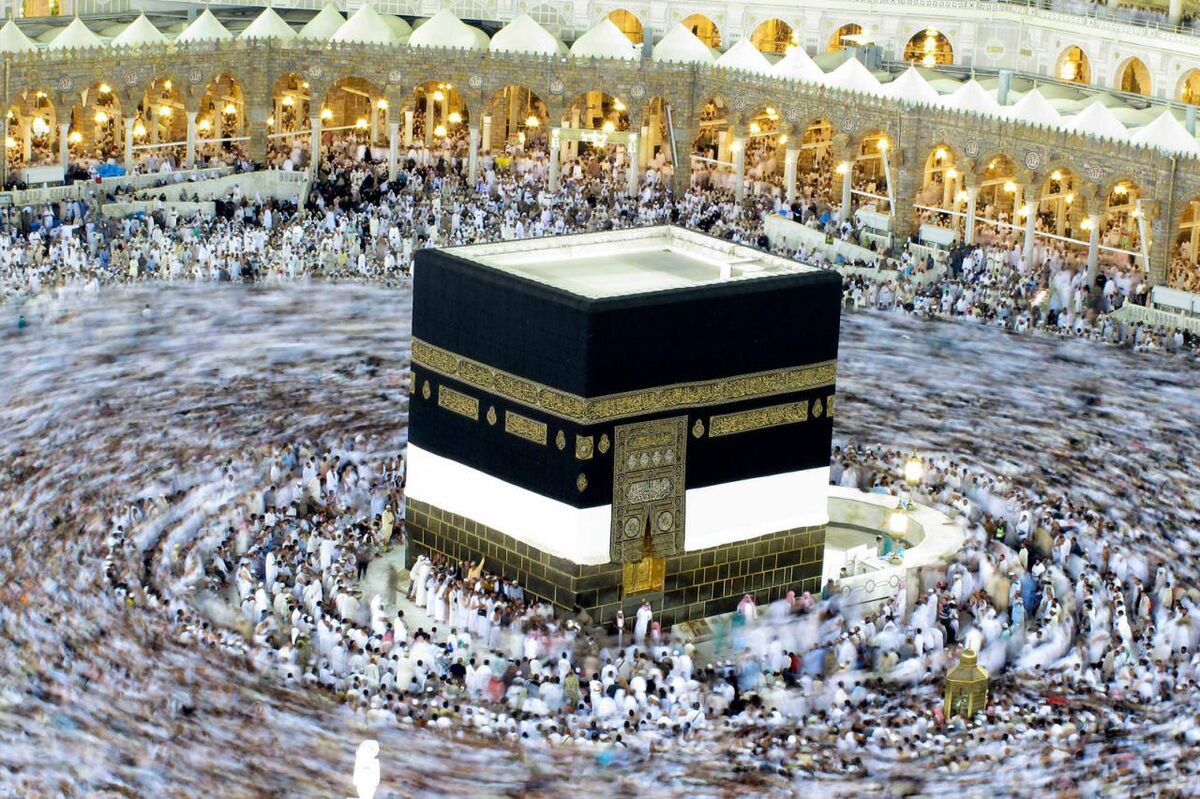
Umrah consists of four acts performed in a fixed order: entering Ihram at the Miqat, seven circuits of the Kaaba (Tawaf), seven laps between Safa and Marwah (Sa’i), and shaving or trimming the hair. Nothing else is required. The schools differ on whether an act is a pillar or an obligation, but they agree on the list and the order.
| Act | What you do | Where | Roughly how long* |
|---|---|---|---|
| 1. Ihram | Bathe, put on the Ihram garments, make the intention for Umrah and begin the Talbiyah at or before the Miqat | Dhul-Hulayfah if you come from Madinah; on the aircraft if you fly straight to Jeddah | Preparation 30–60 min; the state of Ihram lasts until act 4 |
| 2. Tawaf | Seven counter-clockwise circuits of the Kaaba, each starting and ending at the Black Stone line, in wudu | Masjid al-Haram, Makkah | 45–90 min |
| 3. Sa’i | Seven laps between Safa and Marwah, beginning at Safa and ending at Marwah | The Mas’a gallery inside Masjid al-Haram | 45–60 min |
| 4. Halq or Taqsir | Men shave the head or trim all around; women trim a fingertip’s length. This ends Ihram | Barbers outside the Marwah exit, or your hotel | 10–20 min |
Two rak’ahs behind Maqam Ibrahim after Tawaf and a drink of Zamzam are Sunnah, and our groups always do them, but they are not what makes the Umrah valid. The words to say at each stage, the rules of Ihram and the eight mistakes first-timers make are all in the step-by-step guide. The rules of the garments and the prohibitions have their own page in our Ihram guide, and the boundary question for travelers flying from the USA is answered in Miqat explained.
Umrah vs Hajj: The Differences That Matter
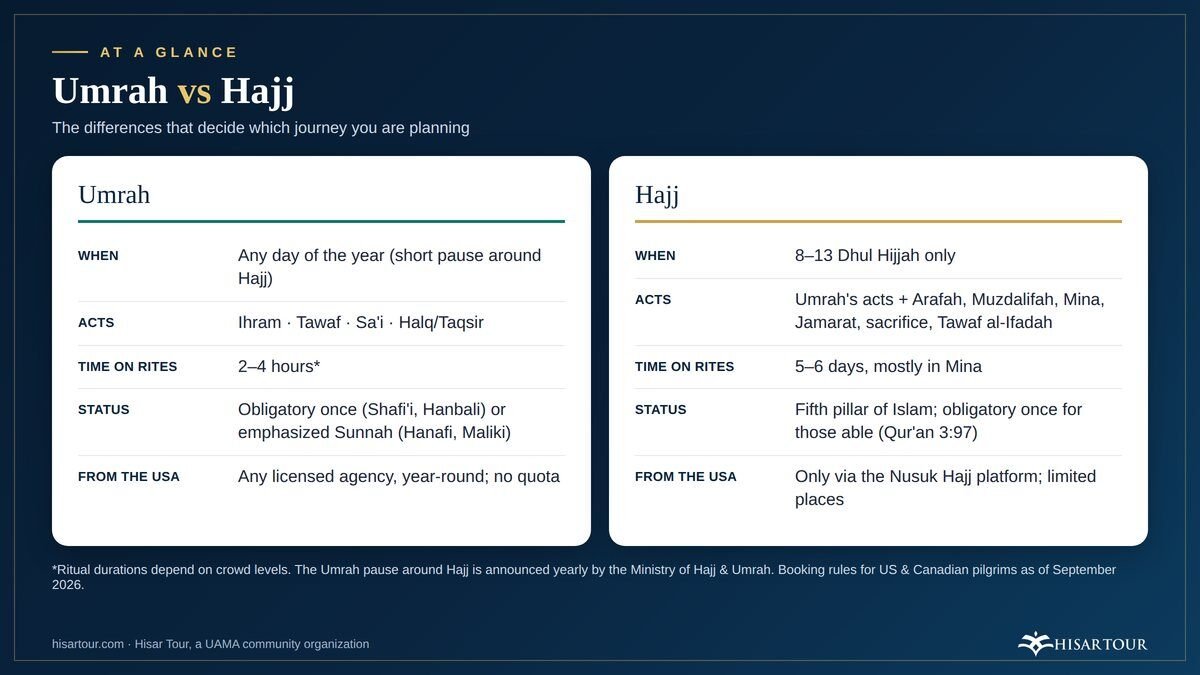
The difference between Umrah and Hajj is timing, length and obligation: Umrah is four acts on any day of the year, while Hajj is the fifth pillar of Islam, performed only on 8–13 Dhul Hijjah, and adds the day at Arafah, the night at Muzdalifah, the days at Mina, the stoning of the Jamarat and a sacrifice. A person who has completed Umrah has not completed Hajj, and a person going for Hajj on the Tamattu’ form performs an Umrah first and then the Hajj rites.
| Umrah | Hajj | |
|---|---|---|
| Status | Obligatory once (Shafi’i, Hanbali) or emphasized Sunnah (Hanafi, Maliki) | Fifth pillar of Islam; obligatory once for those able (Qur’an 3:97) |
| When | Any day of the year, except a short pause around the Hajj season | 8–13 Dhul Hijjah only |
| Acts | Ihram, Tawaf, Sa’i, Halq/Taqsir | Everything in Umrah plus Arafah, Muzdalifah, Mina, Jamarat, sacrifice, Tawaf al-Ifadah, farewell Tawaf |
| Time on the rites | 2–4 hours* | 5–6 days, most of it outside the city in Mina |
| Booking from the USA | Any licensed agency, year-round; tourist eVisa or Umrah visa | Only through the Nusuk Hajj platform, with a limited number of packages per country |
| Typical trip | 8–10 nights, Makkah and Madinah | 2–4 weeks, including Madinah |
Our full comparison, including what each journey costs and which one to do first, is in Hajj vs Umrah: differences explained.
When Can You Perform Umrah?
Umrah can be performed on any day of the Islamic year, with one exception: Saudi Arabia pauses Umrah visas and entry for several weeks around the Hajj season each year, and the Ministry of Hajj and Umrah announces the exact cut-off dates. Outside that window the choice is yours, and the choice changes the experience more than most first-timers expect.
- Ramadan. The most rewarding month by hadith (Sahih al-Bukhari 1782) and the most crowded. Prices peak, hotels sell out months ahead, and the last ten nights fill the Haram to capacity.
- Winter break and Thanksgiving. The season most US and Canadian families choose because school is out. Makkah daytime highs in December sit around 85–88 °F (29–31 °C), Madinah around 76–82 °F, with cool evenings.**
- Rajab, Sha’ban and after Hajj. Quieter months with the lowest prices and the shortest Tawaf lines. Ideal for elderly parents and anyone who wants space in the mataf.
- Just before Hajj. Avoid planning Umrah for Dhul-Qa’dah without checking the cut-off; entry for Umrah closes before the Hajj season opens.
The month-by-month breakdown, with crowd levels and price bands, is in best time for Umrah.
How Long Does Umrah Take?
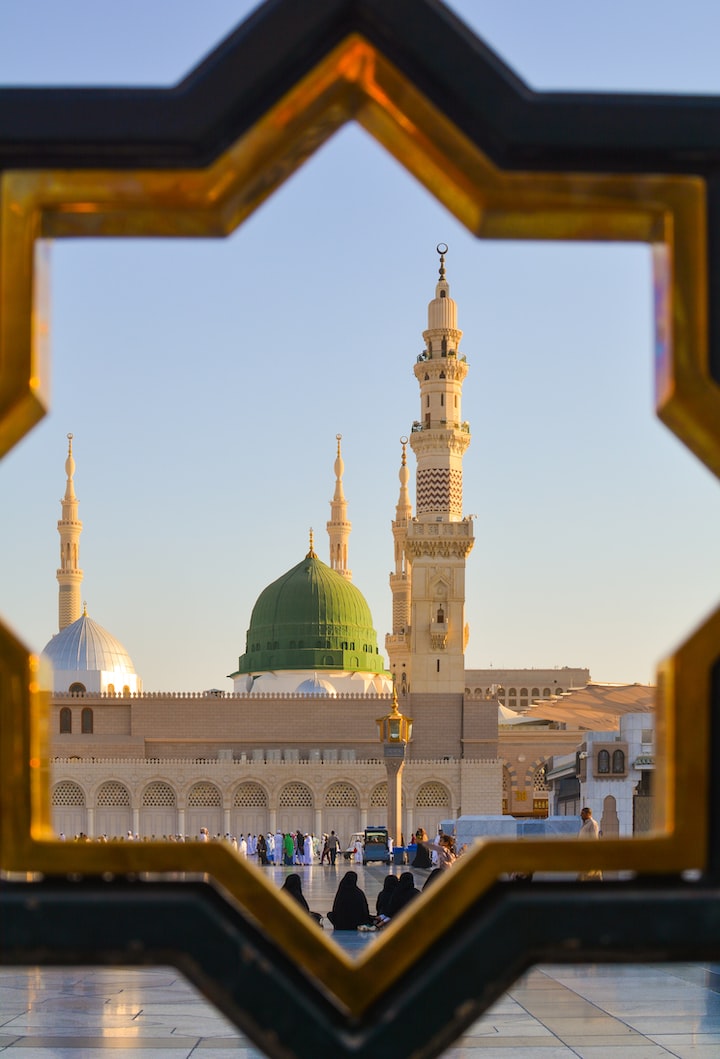
The rituals of Umrah take two to four hours; the trip takes eight to ten nights for most travelers from North America. The rites themselves are short. What fills a trip is the flight (about twelve hours nonstop from New York or Washington to Jeddah), the days in Madinah at the Prophet’s Mosque, guided ziyarah in both cities, and the Friday prayer or Ramadan nights that most people plan the trip around. Hisar Tour’s own departures run eight to ten nights, split roughly four in Madinah and four to six in Makkah. A day-by-day picture of a first trip is in your first Umrah: what to expect.
What You Need Before You Go
A traveler from the USA or Canada needs four things before Umrah: a valid passport, a Saudi visa that permits Umrah, a meningococcal ACYW vaccination certificate, and a plan for the Miqat. Everything else is comfort.
- Passport valid for at least six months beyond your entry date. Check the expiry before you pay a deposit; renewals in the US can take longer than a booking window.
- A visa that allows Umrah. US and Canadian citizens most commonly use the Saudi tourist eVisa or a group Umrah visa arranged by the agency. Options, fees and processing times are compared in our Umrah visa guide for US citizens.***
- Meningococcal ACYW vaccine. Saudi Arabia requires pilgrims aged one year and older to present a certificate issued no less than 10 days and no more than 3 years (polysaccharide) or 5 years (conjugate vaccine) before arrival, per the CDC Yellow Book 2026.***
- Nusuk app. A visit to the Rawdah in the Prophet’s Mosque requires a free permit booked in the Nusuk app; check the current rule for Umrah permits in the app before you travel.
- Ihram garments for men (two unstitched white sheets) and ordinary modest clothing for women. Hisar Tour hands each traveler an Ihram kit before departure, so this is one item you do not need to shop for.
How Hisar Tour Organizes an Umrah
Hisar Tour runs Umrah as a guided group with an imam, not as a ticket-and-hotel bundle. Twelve of our fourteen current departures begin in Madinah, so the group enters Ihram together at Dhul-Hulayfah with the imam beside them rather than on an aircraft. Every departure includes round-trip flights, hotels within walking distance of the Haram, breakfast and dinner daily, private coach transfers, guided ziyarah in both cities and the imam’s guidance throughout; current packages run from $1,990 to $4,590 per person depending on season, hotel level and room occupancy (as of September 2026).**** Pre-departure webinars cover the rites, the Miqat and packing, and on Umrah night the whole group is on Bluetooth headsets so no one loses the imam’s voice in the crowd.
Ready to plan your first Umrah?
Imam-led departures from New York, Washington, Los Angeles and Toronto, with hotels near the Haram and two meals a day.
See Umrah Packages
WhatsApp +1 201-201-8992
A UAMA community organization
Continue with the step-by-step Umrah guide, the rules of Ihram for men and women, and the Umrah packing list from the USA.
Frequently Asked Questions
What is Umrah in simple words?
Umrah is a visit to the Kaaba in Makkah made in a special state called Ihram. It has four acts: entering Ihram, walking seven circuits around the Kaaba (Tawaf), walking seven laps between the hills of Safa and Marwah (Sa’i), and shaving or trimming the hair. It can be done on any day of the year.
Is Umrah compulsory in Islam?
The Shafi’i and Hanbali schools hold that Umrah is obligatory once in a lifetime for those able to perform it; the Hanafi and Maliki schools consider it an emphasized Sunnah. All four schools agree it is a rewarded act of worship, and all agree that Hajj, not Umrah, is the fifth pillar of Islam.
What is the difference between Umrah and Hajj?
Umrah is four acts performed on any day of the year and takes two to four hours. Hajj is the fifth pillar of Islam, performed only on 8–13 Dhul Hijjah, and adds the day at Arafah, the night at Muzdalifah, the days in Mina, the stoning of the Jamarat and a sacrifice. Umrah has no quota; Hajj places for US and Canadian pilgrims are limited and booked only through the Nusuk Hajj platform.
How many days do you need for Umrah?
The rituals take two to four hours, but most travelers from the USA and Canada spend eight to ten nights so they can visit Madinah, attend prayers in both mosques and see the historical sites. Hisar Tour’s departures run eight to ten nights, usually four in Madinah and four to six in Makkah.
Can Umrah be performed at any time of the year?
Yes, on any day of the Islamic year, except for a pause of several weeks around the Hajj season when Saudi Arabia stops issuing Umrah visas and entry. The Ministry of Hajj and Umrah announces the exact dates each year. Ramadan carries the greatest reward and the largest crowds.
Does Umrah count as Hajj?
No. Umrah does not replace Hajj, even though the Prophet (peace be upon him) said an Umrah in Ramadan equals a Hajj in reward (Sahih al-Bukhari 1782). The obligation of Hajj remains for anyone who is able to perform it.
*Durations are estimates that depend on crowd levels and the level of the mosque used. The Umrah pause around Hajj is announced annually by the Ministry of Hajj and Umrah. **Temperatures are long-term December averages (Weather Spark). ***Visa and vaccination rules change; confirm on visa.visitsaudi.com and the CDC Saudi Arabia page before you travel. ****Package prices as read on hisartour.com/umrah-packages/ on September 7, 2026, per person, and subject to change. Last reviewed: September 2026.
Sources: Qur’an 2:196 · Sahih al-Bukhari 1773 (Umrah to Umrah) · Sahih al-Bukhari 1780 (the Prophet’s four Umrahs) · Sahih al-Bukhari 1782 (Umrah in Ramadan) · Nusuk: the Umrah journey · Saudi Ministry of Hajj & Umrah · CDC Yellow Book: Saudi Arabia, Hajj and Umrah.