
Pilgrims write most about two things: whether the trip was organized, and the hotel. Their complaints cluster somewhere else: flights, refunds and how elderly travelers were looked after.
That is the short version of our internal August 2026 audit of 2,600+ public Google reviews across nine US Hajj and Umrah operators, ourselves included. Below are the themes, the numbers behind them, and the practical lesson each one teaches a family planning its own trip. We do not quote reviewers and we do not name operators; the point is what the reviews have in common.
Reviews are the closest thing this industry has to a shared memory. Read one at a time, they are anecdotes. Read in the thousands, they show where trips actually go wrong and what people remember as having gone right. Each lesson below links to the guide on our site that answers it in depth, so you can go straight from “people regret this” to “here is how to avoid it”. If you are already comparing dates, our Umrah packages page lists current departures, and the Hajj 2027 page explains how the Nusuk side works.
How We Read the Reviews
In August 2026 we exported the public Google reviews of nine US-based Hajj and Umrah operators, 2,600+ in total, of which 2,181 contain written text. Each written review was read and tagged with every theme it mentions, so a single review about a late bus and a great imam counts once for transport and once for guidance. Separately, we looked at the 69 reviews rated three stars or lower and counted which themes they mention.
Two numbers therefore appear throughout this page. The share tells you how often a topic comes up at all. The low-rated count tells you how often it shows up when a trip disappointed someone. A theme can be rare overall and still be the thing that ruins a trip.
The Themes at a Glance

| Theme | Share of written reviews | In low-rated reviews | Where we answer it |
|---|---|---|---|
| Organization | 30.2% | 10 | Lesson 1 |
| Hotel & room | 26.4% | 15 | Lesson 2 |
| First-time pilgrims | 16.4% | 3 | Lesson 3 |
| Imam & guide | 15.7% | 14 | Lesson 4 |
| Communication | 13.5% | 13 | Lesson 5 |
| Ground transport | 11.0% | 8 | Lesson 6 |
| Flights | 9.5% | 17 | Lesson 7 |
| Mina & Arafat days | 7.8% | 8 | Lesson 8 |
| Elderly & accessibility | 3.2% | 7 | Lesson 9 |
| Refunds & trust | 1.1% | 12 | Lesson 10 |
Swipe the table sideways to see every column.
Ten Lessons From the Reviews
1. Organization is the first thing people judge
About three in ten written reviews talk about whether the trip ran smoothly: schedules kept, information given on time, nobody left wondering what happens next. The anxiety behind it is uncertainty, especially for first-timers. The lesson: before you pay, ask for a written day-by-day plan, and read it for gaps. Our guide to your first Umrah, day by day shows what a complete plan covers.
2. “Walking distance” means nothing until it is measured
Hotels and rooms appear in more than a quarter of written reviews and in 15 of the 69 low-rated ones, the second-highest count. The recurring problem is a hotel that turned out further away, or different, from what was described. The lesson: get the hotel’s name in writing, ask what “or similar” means, and ask how distance is measured. Our guides to Makkah hotels and what walking distance really means, Madinah hotels and the central area and quad, triple and double rooms cover each part.
3. First-timers want to arrive already knowing the rites
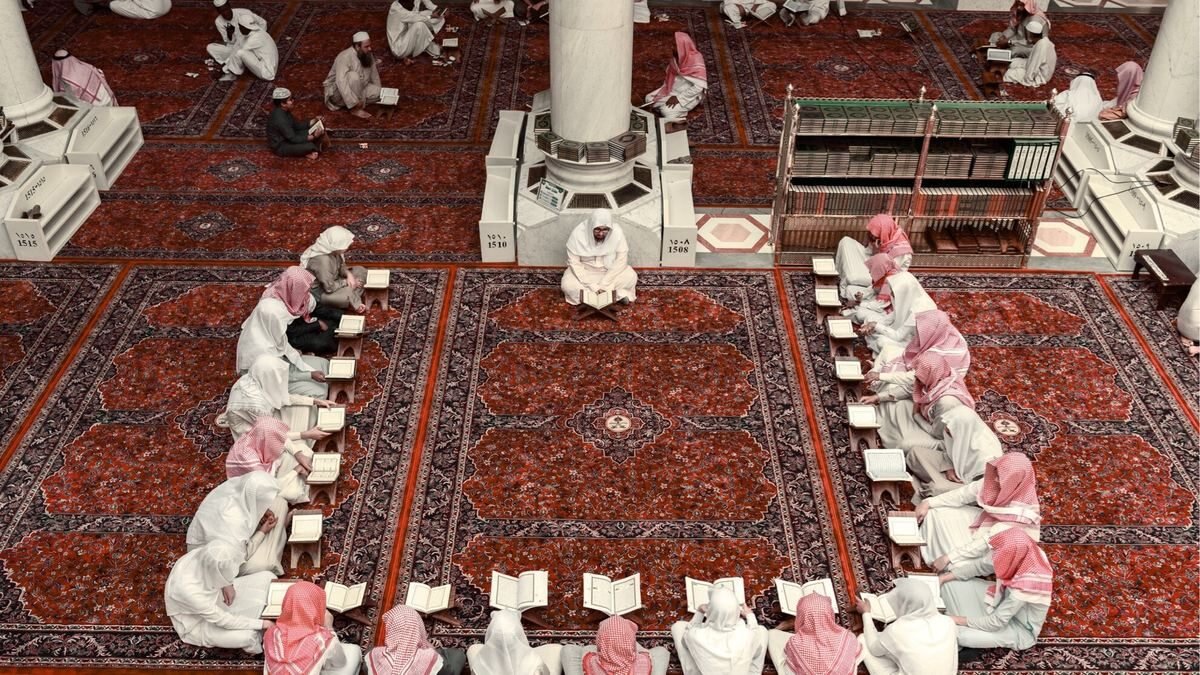
First-time pilgrims account for 16.4% of written reviews, and their praise and regrets point the same way: the trip went better when they understood ihram, Tawaf and Sa’i before leaving home. The lesson: do the reading before you pack. Start with the rules of ihram, the miqat on your flight and whether to go Makkah or Madinah first.
4. The person leading your group matters as much as the hotel
Imams and group leaders are among the most praised parts of a good trip, and yet they appear in 14 low-rated reviews. Both are true for the same reason: guidance is personal, and a leader who is absent or inconsistent is felt immediately. The lesson: ask who will travel with your group, by name, and what their role is on the ground. It is one of the twelve questions to ask before you pay.
5. Test how a company answers before you are its customer
Communication comes up in 13.5% of written reviews and 13 low-rated ones, and some of the frustration starts before booking: calls not returned, questions answered differently by different people. The lesson: send your questions in writing and judge the replies. Speed matters, but consistency matters more.
6. Know how you will move between cities
Ground transport appears in 11% of written reviews. The issues are waiting, crowding and confusion over who arranges what. The lesson: ask whether your Makkah to Madinah leg is by coach or by train, and who carries your luggage. Our Haramain train guide explains the train option and its one-bag rule.
7. Flights are the number one complaint
Only 9.5% of written reviews mention flights, but flights appear in 17 of the 69 low-rated reviews, more than any other theme. Long layovers, families seated apart and schedule changes are what people remember. The lesson: look at the routing, not just the airline, and ask how seat requests and schedule changes are handled. Our guide to Umrah flights from the USA walks through the trade-offs.
8. For Hajj, ask about the Mina and Arafat days specifically
The days of Mina, Arafat and Muzdalifah come up in 7.8% of written reviews, almost all of them about Hajj, and in 8 low-rated ones. Transport between the sites and leadership in the crowds are the pressure points. The lesson: ask how the group moves on those days, especially for older pilgrims. Our Hajj preparation page and the month-by-month Hajj timeline are the place to start.
9. Elderly travelers are rarely mentioned and often let down
Elderly and accessibility needs appear in just 3.2% of written reviews but in 7 low-rated ones. When something goes wrong for an older parent, it goes badly wrong. The lesson: raise mobility and wheelchair needs at booking, in writing, and ask what the plan is. Our guide to Umrah with elderly parents lists the questions.
10. Refund problems are rare and devastating
Refunds and trust come up in only 1.1% of written reviews, the smallest theme on our list, yet they appear in 12 of the 69 low-rated reviews. Few people have the problem; those who do lose money and trust at once. The lesson: read the cancellation policy before the deposit, and know how you are paying. Our refund and cancellation guide explains what to look for.
What Earns the Warmest Reviews
The praise is as consistent as the complaints. Across the nine operators, the reviews that glow tend to describe the same handful of things:
- A guide or adviser people know by name, who answers questions quickly and checks in during the trip.
- Patient conversations before booking, especially for first-timers.
- An unbroken chain from airport arrival to hotel room, with no one left waiting.
- Guided visits that explain the history, not just the route.
- Small groups that start to feel like a family.
- Meals that are taken care of, so nobody hunts for food after Isha.
None of these is expensive. All of them depend on people and planning, which is why they are worth asking about directly.
What This Audit Cannot Tell You
- It is not a survey. People who write reviews choose to; the very satisfied and the very unhappy are over-represented.
- The reviews span several years and cover both Hajj and Umrah, so the numbers describe the industry’s track record rather than any single season.
- A theme being mentioned does not tell you whether it was praise or criticism. That is why we show the low-rated count separately.
- The low-rated sample is small, 69 reviews. Treat those counts as direction, not precision.
- We have not quoted reviewers or named operators. A review is someone’s experience, shared publicly with that company; it is not ours to repackage.
Where We Stand
Hisar Tour is one of the nine operators in this audit, so the lessons apply to us as strictly as to anyone. Our own reviews are public on Google, and we would rather you read them, good and critical, than take a summary from us. When you ask us the questions above, the answers should come in writing; the Nusuk package price is never paid to us, and anything we charge you for is set out in writing before you pay it.
Ask us the questions this page recommends
Hotel name and distance, who leads your group, the flight routing, the refund terms. Send them on WhatsApp and get the answers in writing.
See Umrah packages WhatsApp +1 201-201-8992A UAMA community organization
What do Hajj and Umrah pilgrims complain about most?
In our audit of 2,600+ public Google reviews across nine US operators, flights appeared in more low-rated reviews than any other theme (17 of 69), followed by hotels and rooms (15), group leaders and guides (14), communication (13) and refunds (12).
What do pilgrims praise most?
Organization and hotels are the most discussed themes overall. Among the warmest reviews, the recurring praise is for a guide people know by name, patient advice before booking, smooth airport-to-hotel arrangements, small groups and meals that are taken care of.
Why don’t you quote any reviews?
Because reviewers wrote them for a specific company, not for our website, and we do not have their permission to republish their words. This page reports themes and counts only.
Are Hisar Tour’s own reviews part of this?
Yes. We are one of the nine operators included, and the same lessons apply to us. Our reviews are public on Google.
Figures come from Hisar Tour’s internal August 2026 audit of 2,600+ public Google reviews (2,181 with written text) across nine US Hajj and Umrah operators, theme-coded by our team; the 69 low-rated reviews are those rated three stars or lower. Operators are not named and no review text is reproduced. Percentages describe how often a theme is mentioned, not how many trips went well or badly. Last reviewed: October 2026.
Sources: Hisar Tour internal review audit, August 2026 (public Google reviews of nine US operators; dataset held internally, method described above) · the guides linked in each lesson.